The origin of Mochis
Partager
Mochis, those small, soft, and chewy delights, are experiencing growing success worldwide. But did you know they are deeply rooted in Japanese culture? Much more than a sweet treat, they represent an ancient tradition and a symbol of prosperity.
The secret to making mochi
Mochi is made from glutinous rice, called mochigome. This rice is steamed, then vigorously pounded until it forms a smooth, elastic paste. This step, often performed during traditional ceremonies in Japan, requires a lot of strength and precision. Once the paste is ready, it is shaped into small balls or cakes.
Fillings for every taste
Traditionally, mochis are filled with sweet red bean paste (anko), which offers a pleasant contrast to the soft texture of the rice. Modern versions come in a variety of flavors—mango, strawberry, matcha—and ice cream-filled mochis combine the sweetness of rice with icy freshness.
Worldwide popularity
Their unique texture and versatility make them an ideal choice for culinary adventurers. From mochi festivals to specialized restaurants, these small balls of happiness are now essential in many countries.
An invitation to discovery
Whether you're a fan of exotic sweets or traditional cuisine, mochis are a gateway to Japanese culture. Their meticulous preparation and rich history make them much more than just a sweet treat.
Where to find Japanese sweets in Quebec?
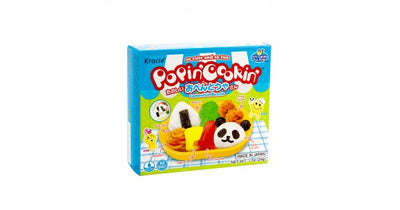
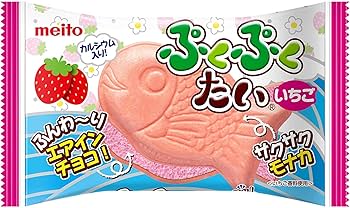
At Jujubes et Chocolats, we regularly stock Japanese and Asian products: Kracie Popin' Cookin', Sakuma candies, Meito wafers, Hi-Chew, ramune, and Mogu Mogu drinks with their nata de coco pieces.
We are at Galeries Saint-Hyacinthe (entrance no. 2). Delivery across Canada — free for orders over $55 — and free in-store pickup, with no minimum purchase.