Why are Haribo so popular? The story of the world's most famous candy
Partager
There are brands that stand the test of time without aging a bit. Haribo is the perfect example. These small gummy candies, which we've been munching on since childhood, are now sold in over 100 countries—and it's no accident.
A history that began in 1920
Haribo was founded in 1920 in Bonn, Germany, by Hans Riegel. The name comes from the first two letters of his first name, his last name, and his city: HAns RIegel BOnn. The famous gold bears—Goldbären—appeared in 1922 and became the brand's symbol forever.
The secret to their success
The texture is unique. This gelatin, neither too soft nor too hard, this fruity taste without being artificial, this satisfying chewiness: Haribo spent decades perfecting its recipe. And since then, the brand doesn't change what works. Added to this is a remarkable ability to reinvent itself with new shapes and flavors without ever losing its essence.
European Haribos don't taste like North American ones
It's a detail many people don't know: Haribo recipes vary by market. European versions are often less sweet, firmer, and more intense in fruity flavor. That's why those nostalgic for a trip to France or Germany never quite find the same taste here.
Where to buy imported Haribo in Quebec?
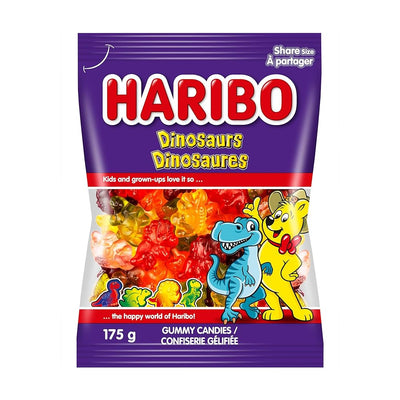
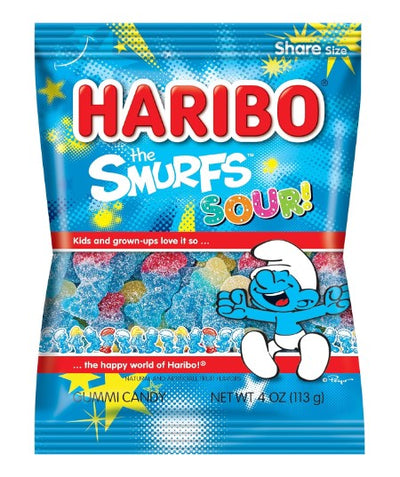
At Jujubes et Chocolats, we stock several Haribo products, including formats and flavors not seen in grocery stores—rainbow gummy worms, sour Smurfs, dinosaurs, and milkshakes.
We are at Galeries Saint-Hyacinthe (entrance no. 2), with shipping across Canada—free for orders over $55—and free in-store pickup, with no minimum purchase.