White Rabbit Japanese Sweets: An Enchanting Sweetness
Partager
White Rabbit candies are much more than just a sweet treat: they are a true sugary experience. With their charming packaging and unique taste, these sweets have captivated taste buds worldwide.
Packaging that became an icon
The white paper adorned with a red rabbit immediately sets the tone: nostalgia and pleasure. This retro design captures the essence of White Rabbit candies and makes them recognizable among a thousand others. The rabbit has become an international symbol of Asian confectionery.
A creamy texture and an edible surprise
Each candy is wrapped in a thin edible rice paper — yes, you eat it with the candy. It reveals a creamy sweetness with a delicate milk flavor, smooth and slightly milky. This is the detail that most surprises people tasting it for the first time.
A story that begins in China
Contrary to popular belief, White Rabbit candies are of Chinese origin: they were created in Shanghai in the 1940s. Their popularity then spread throughout Asia and then to the rest of the world, to the point that they are often associated with Japanese confectionery. Today, they are a true cultural icon.
Varieties beyond the classic
In addition to the classic milk flavor, the brand offers its candies in vanilla, chocolate, matcha, taro, and many other flavors, often in limited editions. Each new version is a small gustatory adventure.
Where to buy Asian candies in Quebec?
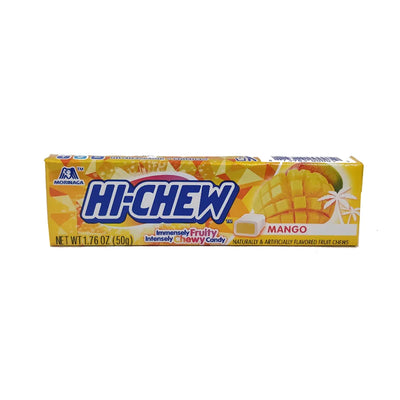
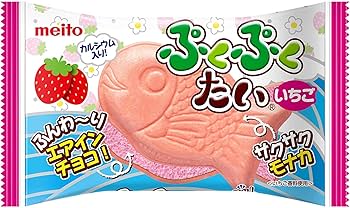
At Jujubes et Chocolats, the Asian section is one of our favorites: Sakuma candies, Hi-Chew, Meito wafers, Ramune, Mogu Mogu, and many other discoveries depending on arrivals.
We are at Galeries Saint-Hyacinthe (entrance no. 2). Delivery across Canada — free for orders over $55 — and free in-store pickup, with no minimum purchase.